Charity — The Caritas Virtue
Charity (Caritas) measures open-handed goodwill expressed through real time, attention, resources, and margin. In the 7 virtues test, Charity is not limited to donating money at year-end; it evaluates whether you treat your surplus as something meant to circulate or something to guard behind an invisible ledger of owed favors.
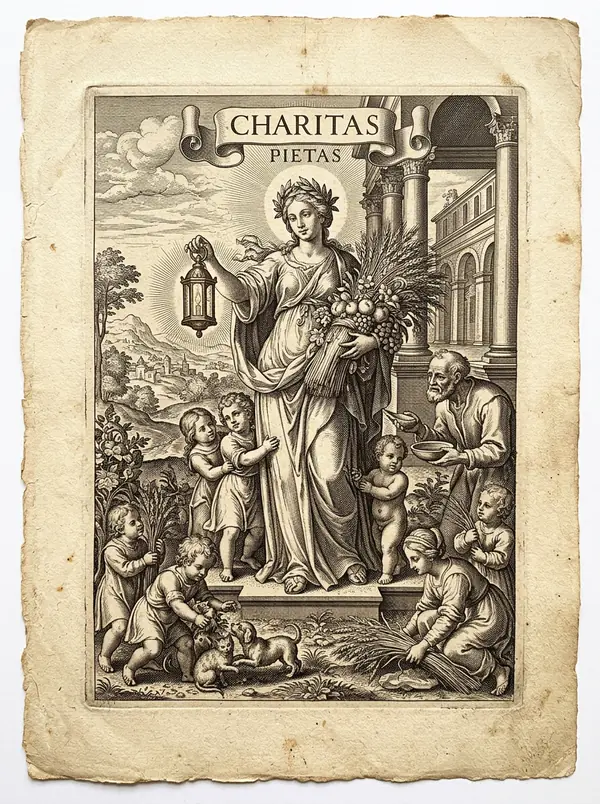
What Charity Measures in the 7 Virtues Test
Your Charity score reflects four behavioral habits across a normal week: whether you give attention or funds without quietly waiting for reciprocity, whether you rearrange part of an already full day when someone truly needs practical aid, how strongly you tally favors in memory, and whether you hesitate to share helpful notes or contacts out of competitive caution.
People high in Caritas act like circulation pumps in teams and households. They lower background scarcity so cooperation speeds up—not through dramatic gestures, but through small, unrecorded transfers of help that keep other people moving.
How Charity Answers Greed (Avaritia) Without Burning Out
Caritas stands directly against Avaritia—Greed, or hoarding security. Modern greed rarely looks like counting gold coins in a vault; far more often it shows up as withholding useful introductions so you stay indispensable, refusing five minutes of undivided listening because your calendar feels tight, or keeping an unspoken invoice of every favor you ever extended.
Genuine Charity opposes Greed by trusting abundance over zero-sum anxiety. Notice that Charity pairs closely with Temperance: when your own appetites stay measured, sharing comes without covert martyrdom or quiet resentment.
| Everyday Scene | Charity Response | Greed Pull |
|---|---|---|
| A peer asks for templates, contacts, or shortcuts you spent months refining | Pass along the core playbook freely so they avoid repeating avoidable mistakes. | Giving a vague summary while keeping the useful leverage locked behind “proprietary edge.” |
| Someone asks for help on an inconvenient Tuesday afternoon | Carve out fifteen honest minutes or connect them immediately to someone who can unblock them. | Deflecting automatically because there is no clear personal return on that block of time. |
| An acquaintance forgets to return an earlier kindness | Release the mental tab completely; a gift ceases to be a gift once interest is charged. | Cooling off permanently and logging them under “owes me one.” |
Three Concrete Habits to Strengthen Charity
One Anonymous or Unreciprocated Act Weekly
Action cue: Every week, offer one small piece of time, knowledge, or financial help where the recipient cannot easily pay you back.
Unlinkable generosity erodes the mental habit of transactional scorekeeping.
Clear the Open Favor Ledger Every Sunday
Action cue: Notice anyone you quietly feel “owes you” a reply or favor, and deliberately treat the balance as zero.
Dropping silent invoices lifts background bitterness and restores spontaneous goodwill.
Give First-Row Attention Before Advice
Action cue: When someone comes with trouble, spend three uninterrupted minutes listening with phones face-down before speaking.
Attention is often the scarcest currency in modern life; giving it freely practices Caritas without spending a cent.
How Charity Scores Read Across the Four Tiers
Unformed
Scarcity thinking and silent scorekeeping narrow your margin for uncalculated generosity.
Situational
Generous when schedules feel spacious or reciprocation is likely, guarded when time or money tightens.
Steady
Regularly circulates help, advice, and resources cleanly without demanding applause or repayment.
Dominant
Instinctive open-handedness anchors your relationships; people know your help carries no hidden invoice.
See Where Charity Ranks in Your Heptagon
Score Charity alongside the other six heavenly virtues with 50% reverse-scored items—and discover your Top-2 character archetype in under two minutes.